

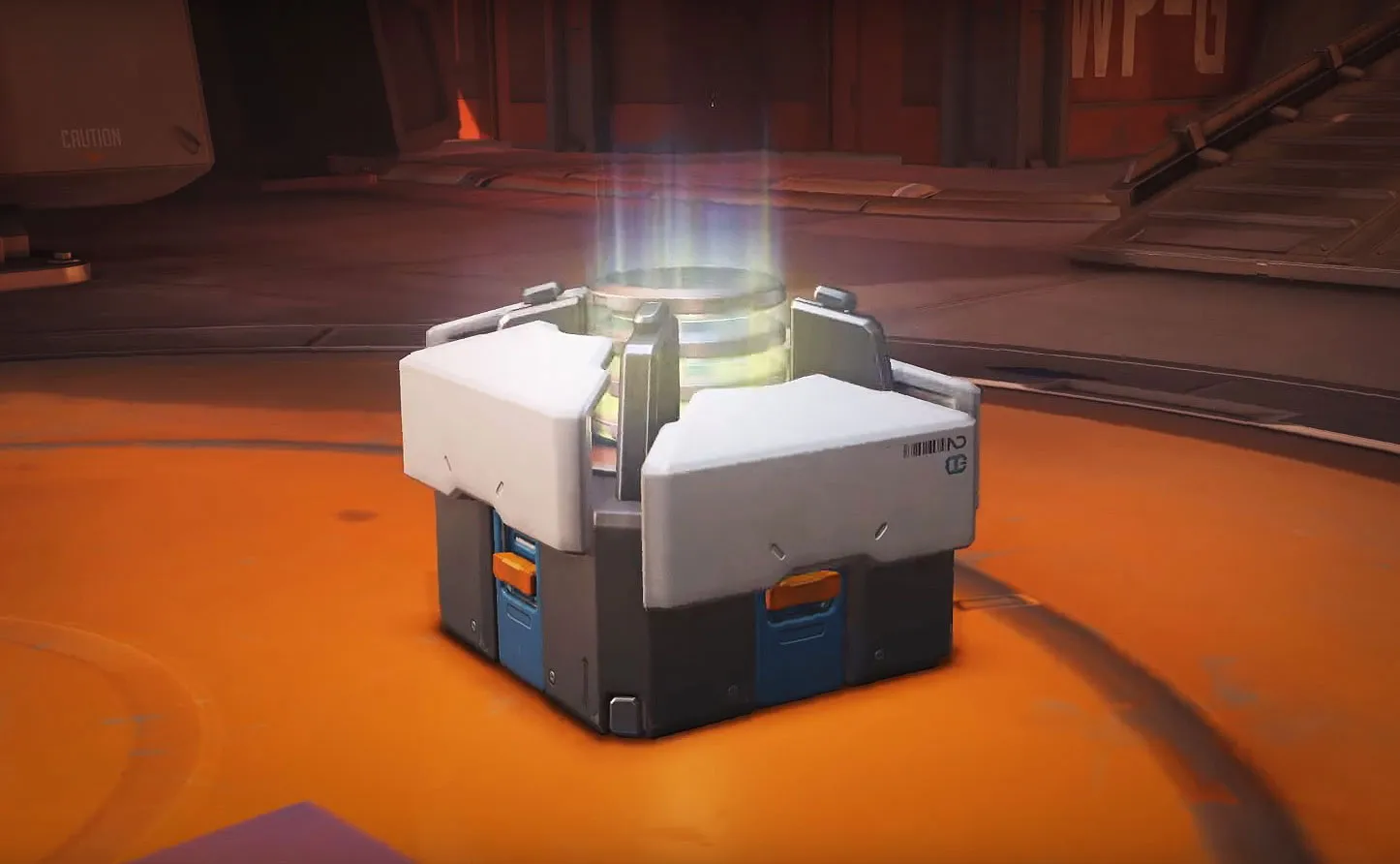
You know the feeling. That little flutter of anticipation as you hover over the “purchase” button for a loot box. Or the gut-punch of loss when your in-game bet doesn’t pay off, followed immediately by the urge to try “just one more time.” This isn’t accidental. It’s by design.
The mechanics behind in-game betting and loot boxes are a masterclass in applied psychology. They tap into deep, primal parts of our brain—the same circuits that light up in a casino. Let’s dive into the hidden mechanisms that make these features so compelling, and frankly, so controversial.
The Dopamine Loop: Your Brain on Loot Boxes
At the core of it all is a neurotransmitter called dopamine. It’s not strictly about pleasure, but about anticipation. The brain releases it when it expects a reward. A loot box is a perfect dopamine engine: the click, the dramatic reveal animation, the moment of suspense before the contents are shown. That’s the “variable ratio schedule” in action.
In fact, it’s the same principle used in slot machines. You don’t win every time. You don’t even win on a predictable schedule. The unpredictability is what hooks you. Your brain learns that the next click could be the big one, so it keeps you coming back. The near-miss—seeing two legendary items and one common—is especially potent. It feels like you were so close, tricking your brain into thinking success is imminent.
Key Psychological Triggers in Loot Box Design
- The Sunk Cost Fallacy: “I’ve already opened twenty, I might as well keep going until I get the item.” You feel invested in a path you can’t abandon.
- Fear of Missing Out (FOMO): Timed, exclusive loot boxes or items create immense social pressure. If everyone else has the cool new skin, you feel left out.
- Obfuscated Value: You pay with virtual currency (e.g., “Crystals” or “Points”), not real dollars. This creates a psychological buffer, making spending feel less “real.”
- Spectator Effect: Watching others get amazing pulls on streams or in-game can falsely inflate your own odds and fuel your spending.
In-Game Betting: When Play Becomes Pay
In-game betting—whether on esports matches, virtual sports, or player-vs-player outcomes—adds another layer. It merges skill (or the belief in one’s skill) with pure chance. Here, the psychology borrows from traditional gambling but with a dangerous twist: it’s embedded in your hobby, your passion.
You start to believe your knowledge of the game gives you an “edge.” This is the illusion of control. You think your hours of gameplay make you a better predictor, when often, the outcome is still wildly uncertain. A bad bet isn’t seen as a loss of money; it’s framed as a misread of the game, which feels more correctable. “Next time I’ll analyze the teams better,” you think. And so you try again.
| Psychological Concept | How It Manifests in Games |
| Variable Reward | Unpredictable loot box contents; fluctuating betting payouts. |
| Loss Chasing | Trying to win back lost virtual currency or items by betting more or buying more boxes. |
| Normalization | Betting interfaces look like game UIs; transactions are seamless, making them feel like part of play. |
| Social Proof | Seeing friends’ rare loot or big wins on a leaderboard incentivizes participation. |
The Blurred Line Between Player and Punter
This is the real sleight of hand. Game designers—and, let’s be honest, the gambling-adjacent companies in this space—are brilliant at blurring lines. The sound design, the visual fireworks, the celebratory animations for a win… they’re identical to those for achieving a difficult in-game goal. Your brain struggles to separate the reward for skill from the reward for luck (or for spending money).
And for younger players, whose prefrontal cortex (the area responsible for risk assessment and impulse control) is still developing, this blurring is particularly potent. They may not even cognitively categorize buying a loot box as “gambling.” It’s just… gaming.
Regulation, Ethics, and a Path Forward
Honestly, the regulatory landscape is scrambling to catch up. Some countries, like Belgium and the Netherlands, have outright banned certain loot box mechanics, classifying them as gambling. Others require odds disclosure—a “drop rate” for items. But it’s a patchwork.
The ethical question for the industry is huge. When does monetization cross into exploitation? Using known psychological hooks on a player base that includes minors is, well, a gray area that’s feeling darker by the day. The defense often hinges on that word “cosmetic”—but when a game’s social status is tied to those cosmetics, the argument feels thin.
So, what can be done? Here are a few ideas gaining traction:
- Universal Odds Disclosure: Clear, upfront percentages for all randomized items, not hidden in a legal FAQ.
- Spending Controls & Hard Limits: Easy-to-use tools that let players (or parents) set monthly spending caps directly in the game.
- Removing “Pay-to-Spin”: Making loot boxes earnable only through gameplay, not direct purchase. Or, shifting to direct purchase stores where you know exactly what you’re buying.
- Player Education: In-game tutorials that explain the psychology and risks, not just the mechanics, of these systems.
The Final Boss is Awareness
Look, games are amazing. They’re art, escape, and community. The goal here isn’t to vilify an entire medium. It’s to pull back the curtain. To understand that the heart-pounding excitement you feel isn’t just about fun—it’s a carefully crafted response.
The most powerful tool you have is awareness. Recognizing the “why” behind the urge to click buy. Seeing the design patterns for what they are. It allows you to engage on your own terms, to separate genuine enjoyment from manufactured compulsion. In the end, the game shouldn’t be playing you.
